Here’s something that might ruffle a few feathers, but stay with me.
Teaching young people how to regulate their emotions is crime prevention. It’s addiction prevention. It’s generational healing. It’s how we stop raising adults who explode, implode, or shut down at the very first sign of discomfort.
Emotional regulation isn’t just a soft skill. It’s survival.
And yet, where in our education system do we actually teach this? Where do our teenagers learn to sit with uncomfortable feelings without reaching for a screen, a substance, or a sharp word? Where do they practise disagreeing without dehumanising each other? Where do they discover that accountability isn’t an attack, and that conflict doesn’t always have to mean violence?
The answer, for most young people, is nowhere. Until now.
The Quiet Revolution Happening on the Yoga Mat
We talk endlessly about preparing our young people for the future. We focus on grades, career paths, university applications. We pour resources into academic achievement while emotional intelligence gets relegated to a footnote, if it’s mentioned at all.
But here’s the truth: you can have all the qualifications in the world, and still crumble when life gets hard. You can ace every exam and still not know how to regulate your nervous system when anxiety hits. You can be incredibly clever and still react from a place of fear rather than responding from a place of calm.
Emotional education isn’t separate from success. It is the foundation.
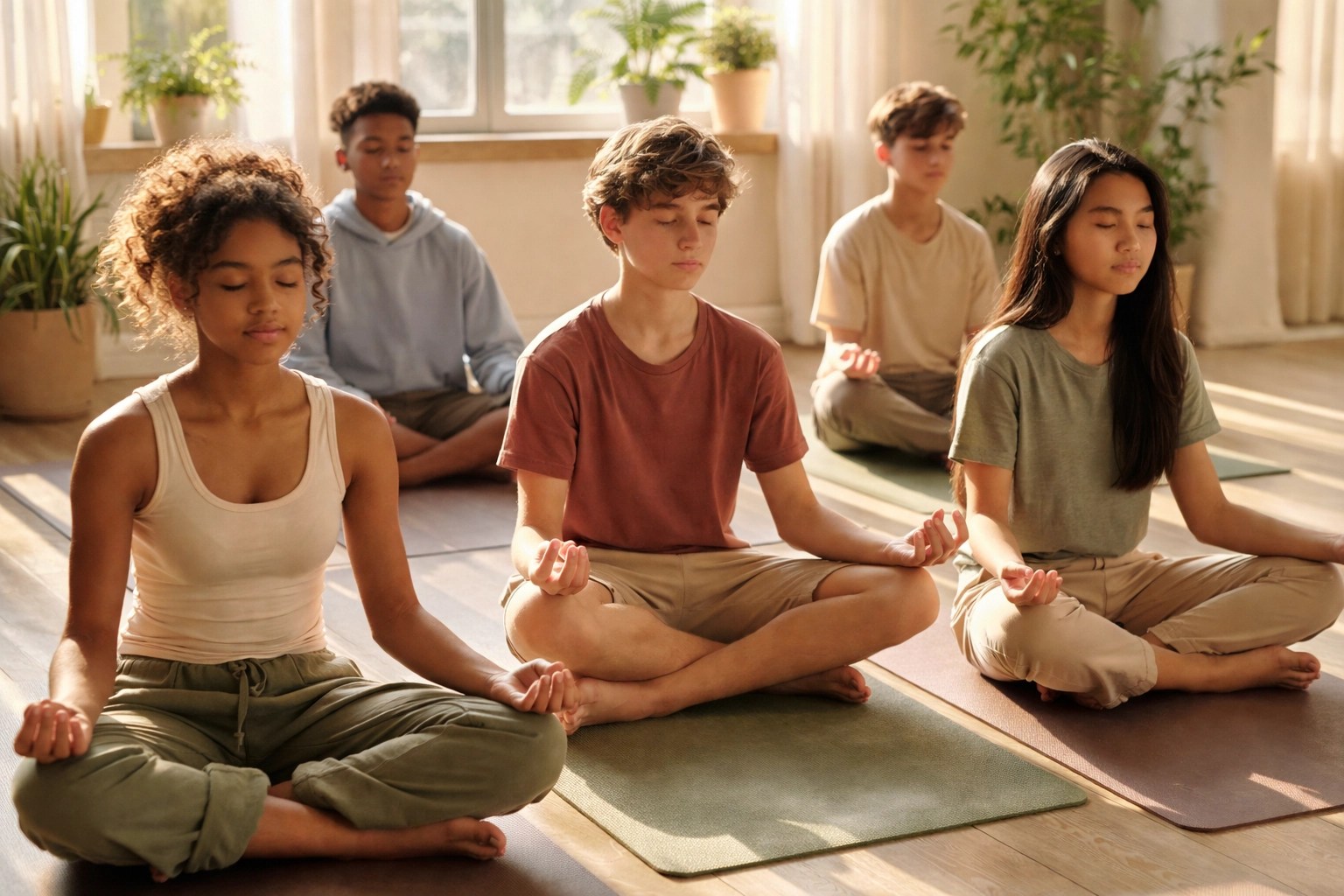
This is why I’m so passionate about bringing yoga to teenagers. Not as some fluffy add-on or trendy wellness fad, but as genuine, embodied learning that gives young people tools they’ll carry for the rest of their lives.
Why Adolescence Is the Perfect Time for This Work
Here’s something fascinating about the teenage brain: the prefrontal cortex, the part responsible for decision-making, impulse control, and emotional regulation, is still developing well into the mid-twenties. This means teenagers are neurologically wired to be more impulsive, more reactive, and more emotionally volatile.
This isn’t a flaw. It’s simply development.
But it does mean that adolescence is a critical window for learning emotional skills. What teens practise now literally shapes the neural pathways they’ll rely on as adults. The question isn’t whether they’ll develop coping mechanisms, they will. The question is whether those mechanisms will serve them or harm them.
Yoga offers a space where teenagers can:
- Pause before reacting , Learning to observe emotions without immediately acting on them
- Tolerate discomfort , Building capacity to sit with difficult feelings rather than numbing or escaping
- Regulate their nervous system , Using breath and movement to shift from fight-or-flight into calm
- Develop self-awareness , Recognising their own patterns, triggers, and needs
- Build resilience , Bouncing back from setbacks with greater ease
Research backs this up beautifully. A 2019 study found that teens participating in mindfulness programmes experienced significant reductions in anxiety and depressive symptoms, and these improvements were directly linked to better emotional regulation. Studies across over 1,000 children and teenagers showed that yoga practice resulted in better focus, improved self-control, calmer demeanour, and fewer emotional or behavioural problems.
This isn’t wishful thinking. This is evidence-based transformation.
Why Yoga Works When Other Approaches Don’t
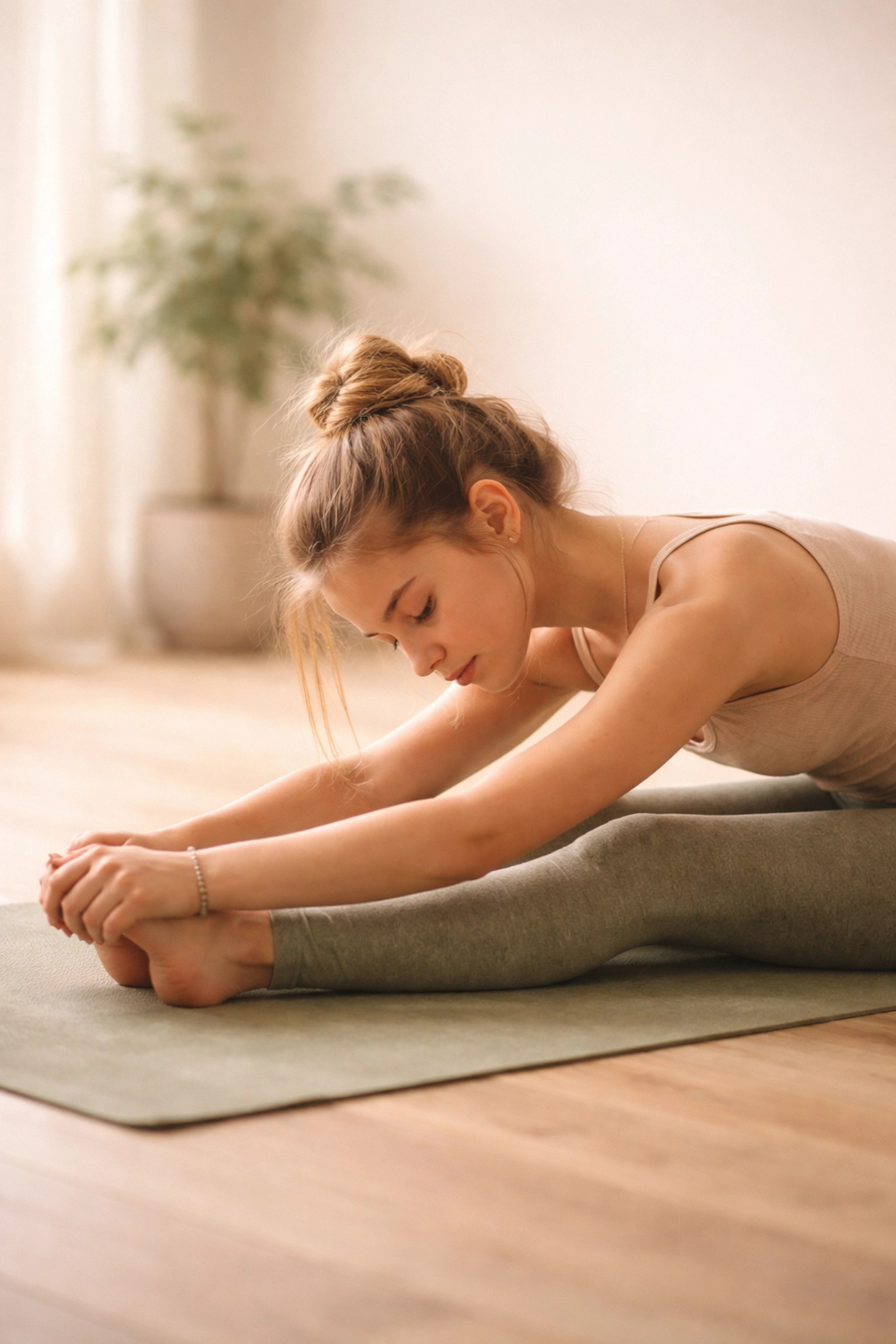
Traditional classroom learning engages the mind. Yoga engages the body and the mind simultaneously, and that’s what makes it so powerful for emotional development.
You can read about stress management in a textbook. But when you’re actually lying on a mat, learning to extend your exhale while your heart rate slows, you’re experiencing regulation in real time. Your body remembers what your mind might forget.
Through mindful breathing and gentle movement, teens learn to recognise their own sensations and emotional patterns. They discover that they have more control than they thought. They realise that big feelings don’t have to lead to big reactions, that there’s space between stimulus and response, and in that space lies choice.
For teenagers who’ve experienced trauma or high-stress environments, this is particularly profound. Yoga provides a safe, judgment-free space where they can practise emotional skills at their own pace, choose their level of participation, and reclaim a sense of agency over their own bodies and minds.
No pressure. No performance. Just presence.
Building a Better World, One Teenager at a Time
Let’s zoom out for a moment.
Imagine a generation of adults who know how to regulate their emotions. Who can disagree without dehumanising. Who see accountability as growth rather than attack. Who can sit with discomfort without self-destructing. Who understand that conflict doesn’t have to mean violence.
That’s not idealism. That’s what happens when we invest in emotional education.
Every teenager who learns to regulate their nervous system is one fewer adult struggling with addiction, rage, or shutdown. Every young person who discovers they can tolerate distress without reaching for harmful coping mechanisms is contributing to generational healing, breaking cycles that may have been running in their families for decades.
You want a better world? It starts here. On the mat. With our young people. With the quiet, radical act of teaching them to master themselves.
Introducing Teen Yoga Classes in New Milton
This March, I’m launching something I’ve been dreaming about for a long time: dedicated yoga classes specifically designed for teenagers.
These aren’t watered-down adult classes. They’re thoughtfully crafted sessions that meet young people exactly where they are, with all their energy, their questions, their challenges, and their incredible potential.
Class Details:
- Ages 12–15: Mondays & Thursdays, 4.05–4.45pm
- Ages 16–20: Mondays & Thursdays, 4.50–5.25pm
- Starting: 2nd March 2026
- Location: The Tornado Kickboxing Club, New Milton
- Investment: £10 per class- £60 per term
I’ve deliberately kept the price accessible because I believe this work matters too much to be gatekept by cost. And I’ve split the classes by age group so that younger teens and older teens each have a space that feels right for them.
Whether your teenager is dealing with exam stress, social anxiety, big emotions, or simply looking for a healthy way to decompress after school, this is for them.
What Your Teen Can Expect
Walking into a new space can feel vulnerable, especially for teenagers. So here’s what they’ll find:
A warm, welcoming environment where there’s no such thing as being “good” or “bad” at yoga. Simple, accessible movements that don’t require any previous experience. Breathing techniques they can use anywhere, before exams, during difficult conversations, when anxiety spikes at 2am. A judgment-free zone where it’s okay to feel whatever they’re feeling.
And perhaps most importantly: an experience of being seen and supported, exactly as they are.
Ready to Give Your Teen This Gift?
Places are filling up quickly, and honestly, I’m not surprised. Parents are hungry for something that genuinely supports their teenagers’ emotional wellbeing. Something that goes beyond screen time limits and revision schedules. Something that builds real, lasting resilience.
If this resonates with you, I’d love to welcome your young person into this space.
To book, simply use the link in bio or send me a DM. If you have questions, about the classes, about whether this is right for your teen, about anything at all, please reach out. I’m here.
Let’s take collective responsibility in making our world a better place. It starts with the young people in our lives. It starts with emotional education. It starts now.
With love,
Nova ✨
Curious about our other offerings? Explore our Keyhaven Coastal Retreats for adults ready to reconnect with themselves, or browse our class schedule to find the perfect fit for you.
 Nova Milesko